The Ultimate Guide to Luxury Vegetarian Travel Destinations
What Is Luxury Vegetarian Travel?
Luxury vegetarian travel is a style of high-end travel that prioritizes plant-based dining experiences, vegetarian-forward hotels, and wellness destinations – without compromising on five-star accommodation, Michelin-starred dining, or curated cultural experiences. It sits at the intersection of conscious eating and aspirational travel.
The world is finally catching up to what plant-forward travelers have known for years: the most exciting table in any city is increasingly the one without meat on it.
As of 2025, an estimated 88 million people worldwide follow a vegan diet, with hundreds of millions more identifying as vegetarian or flexitarian (Source: Vegan Society, 2024). The Michelin Guide now recognizes at least 57 vegetarian and 24 fully vegan-starred restaurants globally – a figure that has more than doubled since 2019 (Source: Michelin Guide, 2025). The global plant-based food market, valued at approximately $85 billion in 2025, is projected to reach $166 billion by 2030 (Source: Bloomberg Intelligence, 2025).
“Vegetables are no longer the side dish – they are the main event. The most creative cooking happening in the world right now is plant-forward.” – Chef Amanda Cohen, Dirt Candy, New York (Michelin-recognized)
This guide covers the 15 best destinations where luxury and plant-based living converge – places where you will find Michelin-starred tasting menus built entirely around vegetables, five-star hotels with dedicated vegetarian dining programs, and cultural experiences that celebrate centuries-old plant-based traditions.
Disclosure: This article contains affiliate links. When you book through our links, we may earn a commission at no extra cost to you. This supports our editorial work and keeps VelvetVerde free to read. All recommendations are based on firsthand experience and independent editorial judgment.
Before booking any international trip, we recommend securing travel medical coverage – we use and recommend SafetyWing Nomad Insurance for its flexibility and global coverage.
How We Chose These 15 Destinations
Our selection criteria weighted four factors equally:
- Depth of vegetarian fine dining – Michelin-starred or internationally acclaimed plant-based restaurants
- Luxury hotel infrastructure – five-star properties with dedicated vegetarian menus or programs
- Cultural affinity – destinations where plant-based cuisine is woven into the cultural fabric, not bolted on as an afterthought
- Experiential richness – cooking classes, market tours, wellness retreats, and culinary festivals that elevate plant-based eating into a travel-worthy experience
The 15 Best Destinations for Luxury Vegetarian Travel
1. Tokyo, Japan
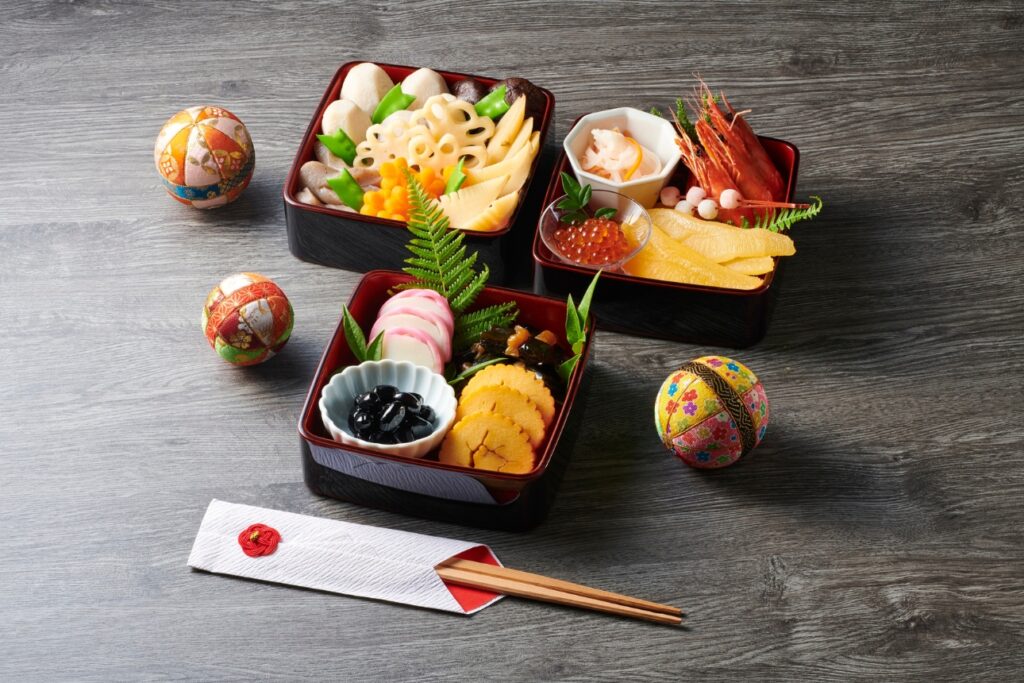
Tokyo is arguably the world’s best city for luxury vegetarian dining, with over 15 Michelin-starred restaurants offering dedicated vegetarian or fully plant-based tasting menus, including traditional shojin ryori (Buddhist temple cuisine) elevated to fine-dining standards.
Tokyo’s relationship with plant-based cuisine runs deeper than any Western city can claim. Shojin ryori – the Buddhist temple cooking tradition dating back over 800 years – is the original luxury vegetarian cuisine, and Tokyo’s finest practitioners transform it into multi-course experiences that rival any omakase in precision and artistry.
Where to Eat:
- Sougo – Michelin-starred, entirely plant-based kaiseki in Roppongi. Seasonal tasting menus ($150–$250) that change weekly.
- Bon – Shojin ryori served in a stunning 200-year-old temple-style building in Azabu-Juban. Reservation essential, months in advance.
- Ain Soph Journey – Upscale vegan bistro in Shinjuku with French-Japanese fusion. Approachable entry point.
The culinary landscape of Tokyo stands out as one of the most vibrant and innovative in the world, particularly for vegetarian travelers seeking Michelin-starred experiences. The city’s dedication to culinary excellence is well-demonstrated through its numerous high-end restaurants specializing in plant-based dishes, effectively marrying traditional Japanese ingredients with contemporary culinary techniques.
One remarkable restaurant that exemplifies this is Kozanji, which offers a refined kaiseki menu that prioritizes seasonal vegetables and natural flavors. This establishment not only holds a Michelin star, but also embodies the essence of Japanese hospitality. Another must-visit is shojin ryori restaurant, Gion Nanba, renowned for its dedication to Zen Buddhist cuisine, providing a feast that is as visually stunning as it is palate-pleasing.
Besides indulging in exquisite meals, vegetarian travelers will find that Tokyo’s rich cultural tapestry offers numerous attractions. The historic Asakusa district is home to the famous Senso-ji Temple, and nearby, the bustling streets are filled with traditional snack shops offering unique vegetarian treats, such as sweet potato chips and fresh mochi. Exploring the serene Shinjuku Gyoen National Garden allows for a moment of tranquility amidst the urban buzz, showcasing the country’s deep appreciation for nature.
In addition to dining and sightseeing, Tokyo’s vibrant markets and local food festivals provide further immersive experiences into the city’s vegetarian scene. The Tsukiji Outer Market, for instance, features a plethora of fresh produce and artisanal food products ideal for plant-based chefs and enthusiasts alike. With an ever-growing array of options, Tokyo indeed presents itself as a premier destination for luxury vegetarian travel, catering beautifully to those who seek both opulence and conscientious dining.
Book a guided Tokyo vegetarian food tour to discover hidden plant-based gems across Shinjuku, Shibuya, and Roppongi. guided Tokyo vegetarian food tour
Where to Stay:
- Aman Tokyo – Otemachi. Minimalist luxury with a Japanese vegetarian breakfast program that rivals many restaurants.
- Park Hyatt Tokyo – Shinjuku. The New York Grill accommodates elaborate vegetarian tasting menus on request.
- Hoshinoya Tokyo – Ryokan-style luxury in central Tokyo. Kaiseki dinner with vegetarian adaptation available with advance notice.
Don’t Miss: A morning visit to Tsukiji Outer Market followed by a temple visit and vegetarian lunch at a shojin ryori restaurant – the quintessential Tokyo plant-based day.
2. Bali, Indonesia

Bali is the world’s most accessible destination for luxury vegetarian travel, with Ubud serving as the global epicenter of upscale plant-based dining, raw food innovation, and wellness-integrated eating – all at a fraction of European or Japanese prices.
Bali has become the spiritual home of luxury plant-based travel. Ubud, in particular, has cultivated a vegetarian dining scene so sophisticated that it draws food-obsessed travelers who have no interest in yoga or wellness retreats – though both are exceptional here.
The island’s raw food movement has matured into something genuinely refined. Restaurants like Locavore (which sources 95% of ingredients from Indonesian producers) and Moksa (which grows its own produce in permaculture gardens) have earned international recognition not as “vegan restaurants” but simply as outstanding restaurants that happen to be plant-forward.
Experience Bali’s plant-based cuisine firsthand with a traditional Balinese vegetarian cooking class in Ubud: traditional Balinese vegetarian cooking class
Where to Stay:
- Viceroy Bali – Ubud valley. Cascading infinity pool, in-room dining with a full vegetarian menu.
- COMO Shambhala Estate – The gold standard for wellness-integrated luxury. Raw food program, Ayurvedic treatments.
- Four Seasons Sayan – Riverside Ubud retreat. The cooking academy offers dedicated vegetarian classes.
Don’t Miss: A sunrise cycling tour through the Tegallalang rice terraces, followed by a raw food lunch at Alchemy.
3. Tuscany, Italy
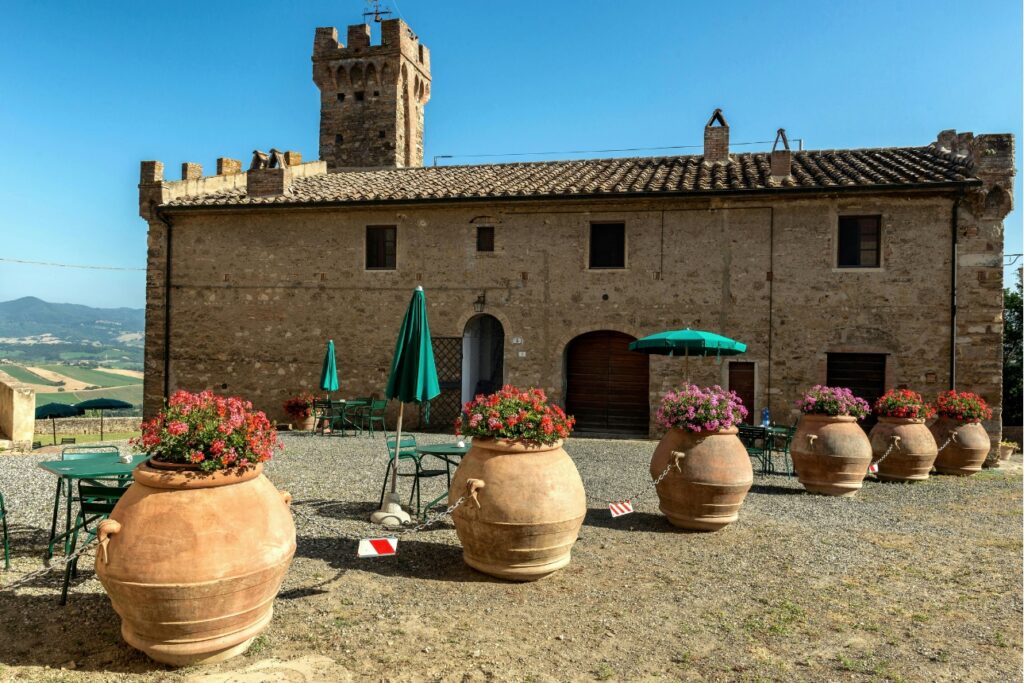
The Italian kitchen has always understood vegetables – the problem was that luxury dining rarely gave them center stage. That is changing, and Tuscany is leading the shift. The region’s natural bounty of heirloom tomatoes, wild mushrooms, truffles, artisan cheeses, and ancient grains makes it one of the most naturally plant-forward luxury destinations on earth.
Where to Eat:
- La Leggenda dei Frati – Florence. Michelin-starred, with a full vegetarian tasting menu that showcases Tuscan produce.
- Buca Mario – Florence. Historic trattoria that elevates simple vegetable dishes to art.
- Any agriturismo in Val d’Orcia – Farm-stay dining where the vegetables were picked hours before dinner.
Book a private truffle hunting experience in the Tuscan hills – many hunts end with a vegetarian truffle lunch. private truffle hunting
Where to Stay:
- Castello Banfi – Il Borgo – Montalcino. Wine estate with a Michelin-starred restaurant. Vegetarian menus on request.
- Rosewood Castiglion del Bosco – Val d’Orcia. Private estate, cooking classes with estate-grown vegetables.
- COMO Castello Del Nero – Tuscan hills south of Florence. Superb farm-to-table vegetarian options.
Don’t Miss: A vegetarian cooking class at a working agriturismo, where you pick ingredients from the garden and cook a five-course lunch under a pergola.
Pair It With: Tuscany combines easily with Italy’s great cities. For first-hand city plans, see our Rome 3 day itinerary and our Venice 3 day itinerary.
4. India (Golden Triangle: Delhi, Agra & Jaipur)
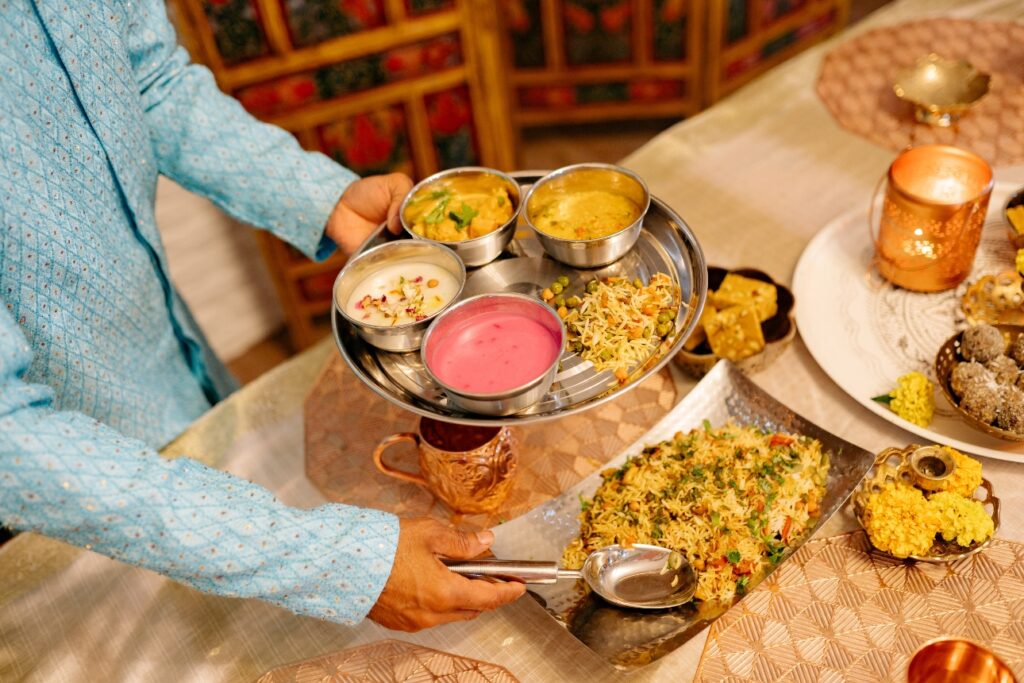
India is the most naturally vegetarian country on Earth – approximately 40% of the population is vegetarian (Source: Pew Research, 2021) – and the Golden Triangle corridor of Delhi, Agra, and Jaipur offers the richest concentration of luxury vegetarian dining experiences anywhere in the world.
India is the world’s most naturally vegetarian nation, and at the luxury level, it offers an unrivaled depth of plant-based culinary tradition. Rajasthan’s palace hotels serve elaborate vegetarian thalis that span dozens of dishes, each rooted in centuries of royal kitchen tradition. Kerala’s Ayurvedic resorts build entire wellness programs around sattvic vegetarian cuisine, designed to nourish body and spirit in equal measure.
What makes India extraordinary for the luxury vegetarian traveler is not just the food – it is the cultural embeddedness of vegetarianism. You are not adapting a meat-centric cuisine; you are experiencing a culinary tradition that has been perfected for plant-based eating over millennia.
Where to Eat:
- Indian Accent – New Delhi. One of Asia’s most celebrated restaurants. The vegetarian tasting menu is a masterwork of progressive Indian cuisine.
- Suvarna Mahal – Jaipur. Dining inside the Rambagh Palace, with vegetarian Rajasthani thalis that are works of art.
- Dum Pukht – Delhi. Slow-cooked Awadhi cuisine with a full vegetarian menu. The vegetable biryani sealed in pastry is legendary.
Where to Stay:
- Rambagh Palace, Jaipur – A Taj Hotel. Former royal residence, now the most iconic luxury hotel in Rajasthan. Vegetarian dining is the specialty, not an accommodation.
- The Imperial, New Delhi – Grand colonial luxury. The Spice Route restaurant spans seven Asian cuisines, all with extensive vegetarian menus.
- The Oberoi Amarvilas, Agra – Every room faces the Taj Mahal. Exceptional vegetarian North Indian cuisine.
Don’t Miss: A sunrise visit to the Taj Mahal, followed by a vegetarian breakfast at The Oberoi Amarvilas with the Taj framed in your window.
5. Copenhagen, Denmark
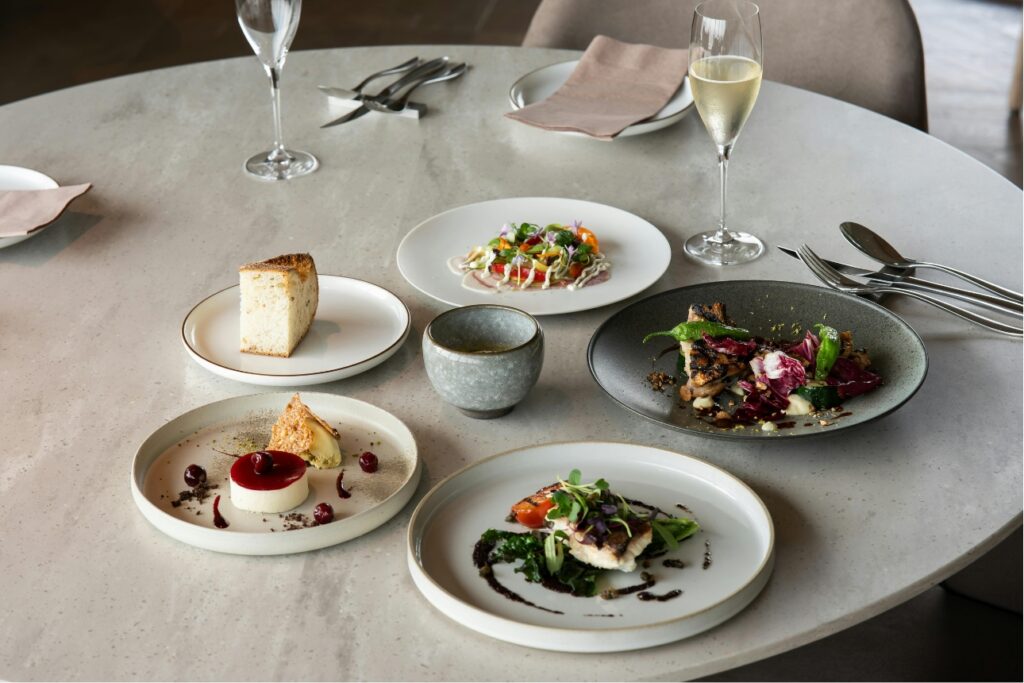
Copenhagen has become the world’s most exciting laboratory for vegetable-forward fine dining. The legacy of Noma – which fundamentally changed how chefs think about vegetables, fermentation, and terroir – ripples through the entire city. Today, Copenhagen’s culinary scene treats vegetables with the intellectual rigor and creative ambition that other cities reserve for proteins.
Geranium (three Michelin stars) made headlines when it removed meat from its menu entirely, proving that a fully plant-forward approach could command the highest levels of critical acclaim. Ark, a newer addition, delivers a fully vegan fine dining experience that has earned its own Michelin recognition.
Where to Eat:
- Ark – Copenhagen. Fully plant-based Michelin-starred restaurant. The fermented mushroom courses are transcendent.
- Noma – The world’s most influential restaurant. The vegetable season (summer) is widely considered its best.
- Substans – Aarhus. Michelin-starred with a dedicated vegetarian tasting menu showcasing Danish produce.
Where to Stay:
- Hotel Sanders – Intimate boutique luxury near Nyhavn. The in-house restaurant serves exceptional vegetarian Danish cuisine.
- Nobis Hotel Copenhagen – Contemporary luxury in a former Royal Danish Conservatory building.
- 71 Nyhavn Hotel – Converted warehouse on the waterfront with farm-to-table dining.
Don’t Miss: The Saturday morning Torvehallerne food market, where Nordic producers sell foraged mushrooms, artisan cheeses, and seasonal vegetables direct.
6. Lisbon & the Algarve, Portugal
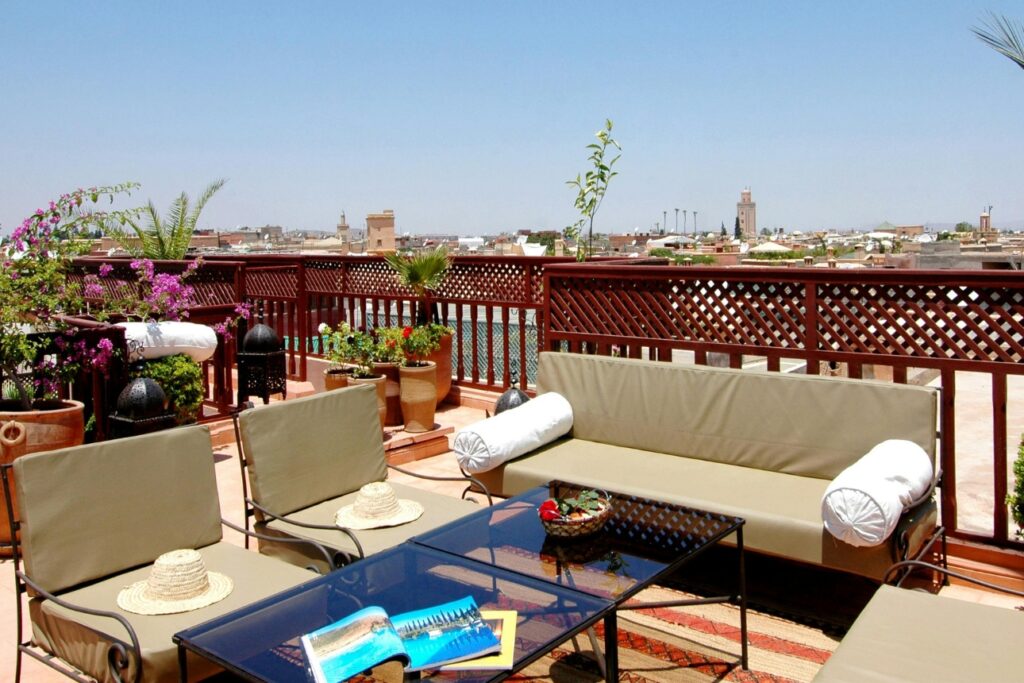
Portugal has emerged as one of Europe’s most exciting vegetarian destinations, driven by Lisbon’s creative culinary boom and the Algarve’s wellness-oriented coastal resorts. The country’s deep tradition of vegetable-centric cooking – acordas, migas, and the extraordinary variety of the Portuguese garden – is being reimagined by a new generation of chefs.
Lisbon’s plant-based restaurant scene has exploded in recent years, with spots like The Food Temple and Ao 26 Vegan Food Project earning devoted followings. At the fine dining level, restaurants like Belcanto (two Michelin stars) create stunning vegetarian tasting menus that showcase Portuguese produce with global technique.
Where to Eat:
- Ao 26 – Vegan Food Project – Lisbon. Upscale plant-based restaurant in Principe Real. The tasting menu rivals starred restaurants in technique.
- The Green Affair – Lisbon. Elegant vegetarian dining with Portuguese-Asian fusion.
- Terraplana – Algarve. Farm-to-table dining with vegetables grown on site.
Where to Stay:
- Bairro Alto Hotel – Lisbon. Chiado location, rooftop bar, excellent vegetarian room service.
- Sao Lourenco do Barrocal – Alentejo. Converted farm estate, one of Europe’s most beautiful rural luxury hotels. Kitchen grows its own produce.
- Pine Cliffs Resort – Algarve. Clifftop luxury with a wellness program and vegetarian-friendly dining.
Don’t Miss: A day trip to the Alentejo wine region, where organic vineyards pair natural wines with vegetable-forward small plates in converted cork barns.
7. Chiang Mai & Bangkok, Thailand
Thailand is a paradise for the luxury vegetarian traveler. The country’s Buddhist traditions have created a sophisticated vegetarian cooking culture, while its abundant tropical produce 0 from young coconut and galangal to moringa and banana blossom 0 provides a palette of flavors unmatched anywhere in the world.
Bangkok’s fine dining scene increasingly embraces vegetarian innovation. Gaggan Anand’s eponymous restaurant (consistently ranked among Asia’s best) offers vegetable courses of extraordinary creativity. In Chiang Mai, the slower pace allows for deeper culinary immersion – cooking schools in the surrounding countryside teach northern Thai vegetarian techniques using ingredients foraged that morning.
Where to Eat:
- Bo.lan – Bangkok. Michelin-starred Thai cuisine with a full vegetarian tasting menu rooted in royal Thai cooking traditions.
- Nahm – Bangkok. One of the world’s great Thai restaurants. Vegetarian menus available with advance notice.
- Pun Pun Organic Vegetarian – Chiang Mai. Beloved by locals and travelers alike, attached to a Buddhist temple.
Where to Stay:
- Mandarin Oriental Bangkok – The grand dame. Le Normandie and Sala Rim Naam both offer vegetarian menus with advance request.
- Four Seasons Chiang Mai – Rice paddy setting. Cooking academy with vegetarian classes using garden ingredients.
- 137 Pillars House – Chiang Mai. Intimate colonial teak mansion. Chef accommodates elaborate vegetarian menus.
Don’t Miss: The October Vegetarian Festival in Phuket or Bangkok, where entire cities go plant-based for nine days.
8. Mexico City & Oaxaca
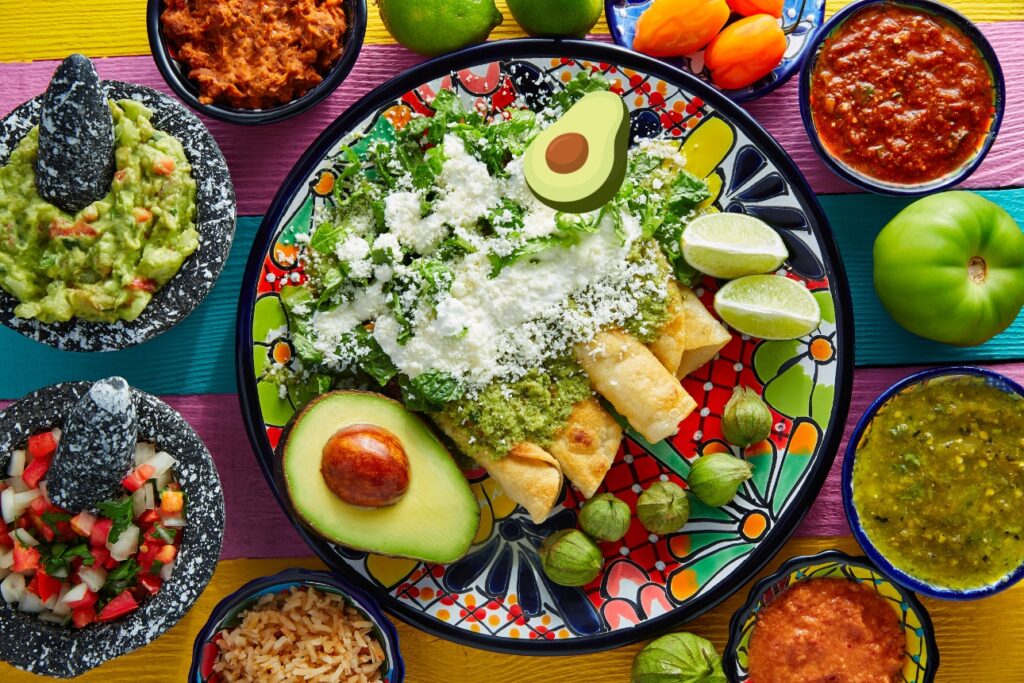
Mexico has one of the richest vegetarian culinary traditions in the Americas, rooted in pre-Hispanic ingredients – corn, beans, squash, nopales (cactus), huitlacoche (corn truffle), and chiles – that predate European contact by millennia.
Mexico’s culinary heritage is among the world’s richest, and its pre-Hispanic traditions are deeply rooted in plant-based eating. Corn, beans, squash, chilies, cacao, and a vast repertoire of herbs and greens form the foundation of a cuisine that predates European contact by millennia – making Mexico one of the most naturally rewarding destinations for vegetarian travelers.
Mexico City’s restaurant scene is in a golden age. Pujol (consistently among the world’s best restaurants) offers a legendary vegetarian tasting menu built around mole and indigenous ingredients. In Oaxaca, the connection to ancestral plant-based cooking is even deeper, with mezcal tastings, market tours, and cooking classes that reveal the extraordinary complexity of Zapotec vegetarian traditions.
Where to Eat:
- Pujol – Mexico City. Ranked among the World’s 50 Best. The “Mole Madre” is legendary, and the vegetarian tasting menu is extraordinary.
- Quintonil – Mexico City. Seasonal Mexican cuisine with a vegetarian tasting option that showcases ingredients from the chef’s rooftop garden.
- Casa Oaxaca – Oaxaca. Regional cuisine with exceptional vegetarian mole variations.
Where to Stay:
- Four Seasons Mexico City – Reforma corridor. Exceptional vegetarian menus across all three restaurants.
- Hotel Amparo – Puebla. Boutique luxury, rooftop dining with views of volcanoes and plant-forward cuisine.
- Casa Oaxaca El Restaurante – Oaxaca. Boutique hotel connected to the restaurant, with a courtyard pool and cooking school.
Don’t Miss: A private market tour with a local chef in Oaxaca’s Central de Abastos, followed by a vegetarian cooking class using ingredients purchased that morning.
9. Provence, France

Provence offers what might be the most romantic expression of luxury vegetarian travel on earth. The region’s market culture – those legendary morning markets in Aix-en-Provence, L’Isle-sur-la-Sorgue, and Saint-Remy – is built around the extraordinary produce of the Mediterranean garden. Aubergines, courgettes, tomatoes, olives, herbs, and the finest olive oil in the world form a culinary tradition that needs no protein to achieve greatness.
At the Michelin level, chefs like Christophe Bacquie and Gerald Passedat create vegetarian menus that demonstrate the singular power of southern French vegetables treated with uncompromising technique.
Where to Eat:
- L’Arpege – Paris (included as a day trip or add-on). Chef Alain Passard’s three-Michelin-starred restaurant is the cathedral of luxury vegetable-forward dining. Over 70% of the menu is sourced from his three biodynamic farms.
- La Bastide de Moustiers – Alain Ducasse’s country inn. Kitchen garden produces much of the menu.
- Le Jardin de Benjamin – Aix-en-Provence. Plant-forward contemporary French dining.
Where to Stay:
- La Bastide de Gordes – Perched hilltop luxury in the Luberon valley. Full vegetarian menus at the garden restaurant.
- Terre Blanche Hotel Spa Golf Resort – Near Tourrettes. Michelin-starred dining with outstanding vegetarian options.
- Hotel Crillon le Brave – Converted medieval village. Extraordinary views, garden-to-table dining.
Don’t Miss: The Saturday morning market in Aix-en-Provence — one of the great food markets of the world. Assemble a vegetarian picnic and eat in the Parc Jourdan.
10. San Sebastian & the Basque Country, Spain
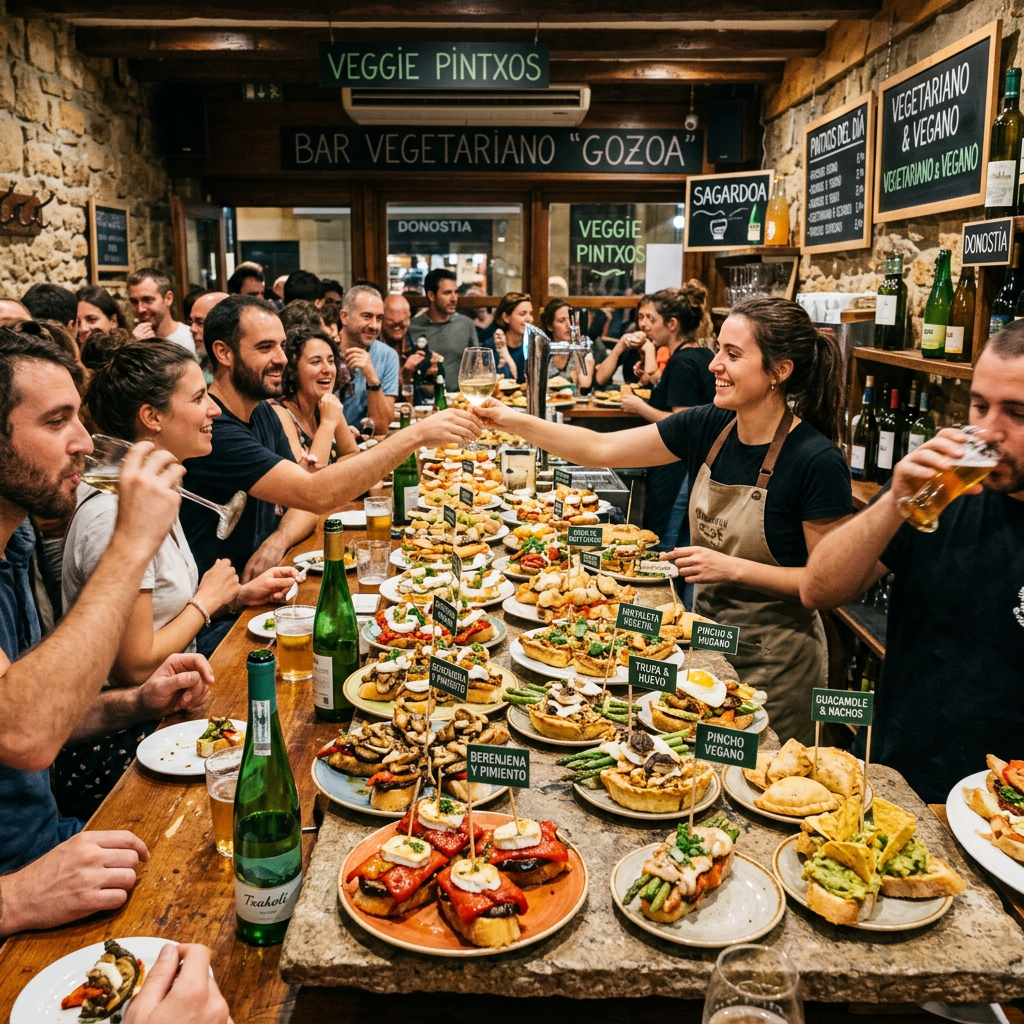
San Sebastian holds the highest concentration of Michelin stars per capita in the world, and its vegetable-forward pintxos culture makes it surprisingly rewarding for the luxury vegetarian traveler. The Basque Country’s reverence for seasonal ingredients – white asparagus, piquillo peppers, wild mushrooms, Idiazabal cheese – means that vegetarian options are not concessions but celebrations.
Where to Eat:
- Mugaritz – Two Michelin stars. One of the world’s most avant-garde restaurants. Vegetarian tasting menu available – expect 20+ courses of conceptual brilliance.
- Kokotxa – Michelin-starred, in the Old Town. Progressive Basque cuisine with creative vegetarian plates.
- La Vina – Famous for the original Basque cheesecake, and an excellent vegetarian pintxo selection.
Where to Stay:
- Hotel Maria Cristina – Grand Belle Epoque luxury on the Urumea River.
- Akelarre – Pedro Subijano’s Michelin-starred hotel-restaurant on the clifftops above the Bay of Biscay. Extraordinary vegetarian tasting menus.
- Villa Favorita – Boutique hotel in a converted 19th-century mansion.
Don’t Miss: A self-guided pintxo crawl through the Parte Vieja (Old Town), hitting five or six bars in an evening. Order the vegetable-topped gildas and seasonal mushroom croquetas.
11. Marrakech, Morocco
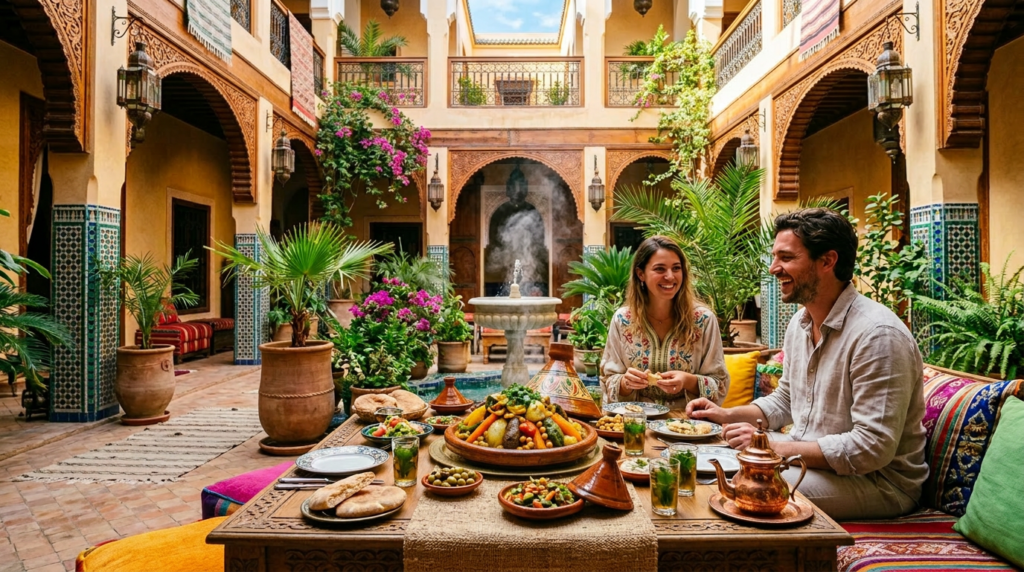
Moroccan cuisine is one of the world’s great vegetable traditions, and in Marrakech, the collision of ancient medina culture and contemporary luxury creates something unforgettable. Vegetable tagines, couscous with seven vegetables, harira soup, and the extraordinary array of salads and mezze that begin every Moroccan meal mean that vegetarian travelers eat better here than almost anywhere.
Where to Eat:
- Le Jardin – Medina. Set in a lush garden oasis. Predominantly plant-based menu with North African-French fusion.
- Nomad – Rooftop dining overlooking the spice souk. Modern Moroccan with excellent vegetable tagines.
- La Maison Arabe – One of Marrakech’s original luxury dining rooms. Vegetarian tasting menus with advance request.
Where to Stay:
- Royal Mansour – King Mohammed VI’s personal vision of the ultimate riad. Private riads with rooftop terraces and dedicated chefs.
- La Mamounia – The legendary grande dame. Churchill’s favorite, now with a completely refreshed vegetarian menu.
- El Fenn – Boutique riad with a rooftop pool and a kitchen that excels at vegetarian Moroccan cuisine.
Don’t Miss: A hammam ritual followed by a private vegetarian dinner on a riad rooftop, overlooking the Atlas Mountains at sunset.
12. Melbourne, Australia
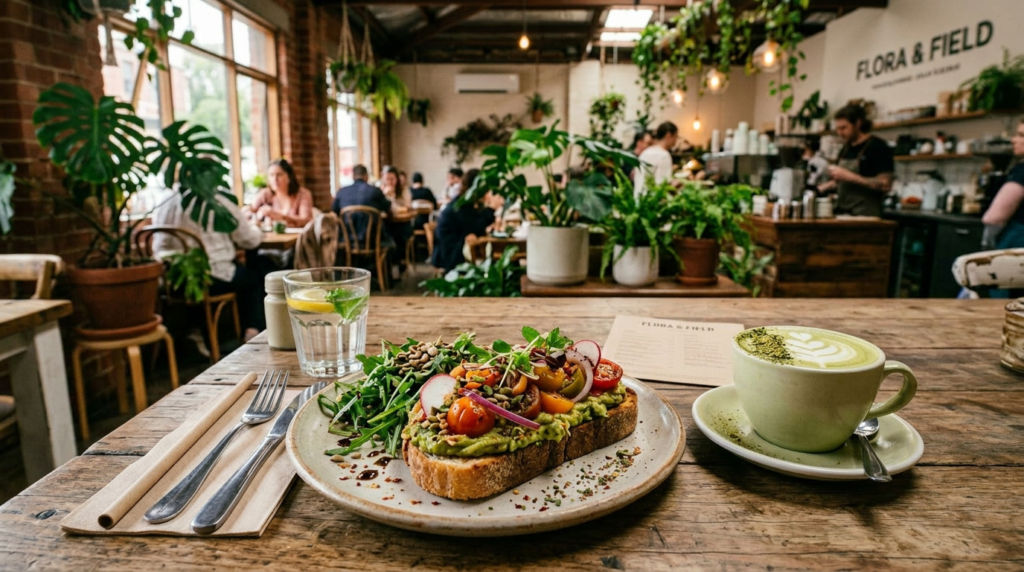
Melbourne has quietly built one of the world’s most progressive plant-based dining scenes. The city’s cafe culture – arguably the finest on earth – is inherently vegetarian-friendly, and at the fine dining level, restaurants like Attica (consistently among the world’s best) create vegetable-forward menus that showcase Australia’s extraordinary native ingredients.
Where to Eat:
- Attica – One of Australia’s most celebrated restaurants. Chef Ben Shewry’s vegetable-forward tasting menu sources hyper-local indigenous ingredients.
- Smith & Daughters – Italian-inspired vegan fine dining in Fitzroy. The ricotta is cashew-based and better than many dairy versions.
- Transformer – Fitzroy. Creative plant-based share plates in a converted warehouse.
Where to Stay:
- Crown Towers Melbourne – Southbank. Multiple restaurants with vegetarian tasting menus.
- The Langham Melbourne – Southbank. Afternoon tea with a full vegetarian option is legendary.
- QT Melbourne – Design-forward boutique hotel in the CBD. Pascale Bar & Grill serves creative plant-forward dishes.
Don’t Miss: A Saturday morning walk through the South Melbourne Market, followed by brunch at one of the city’s legendary plant-based cafes.
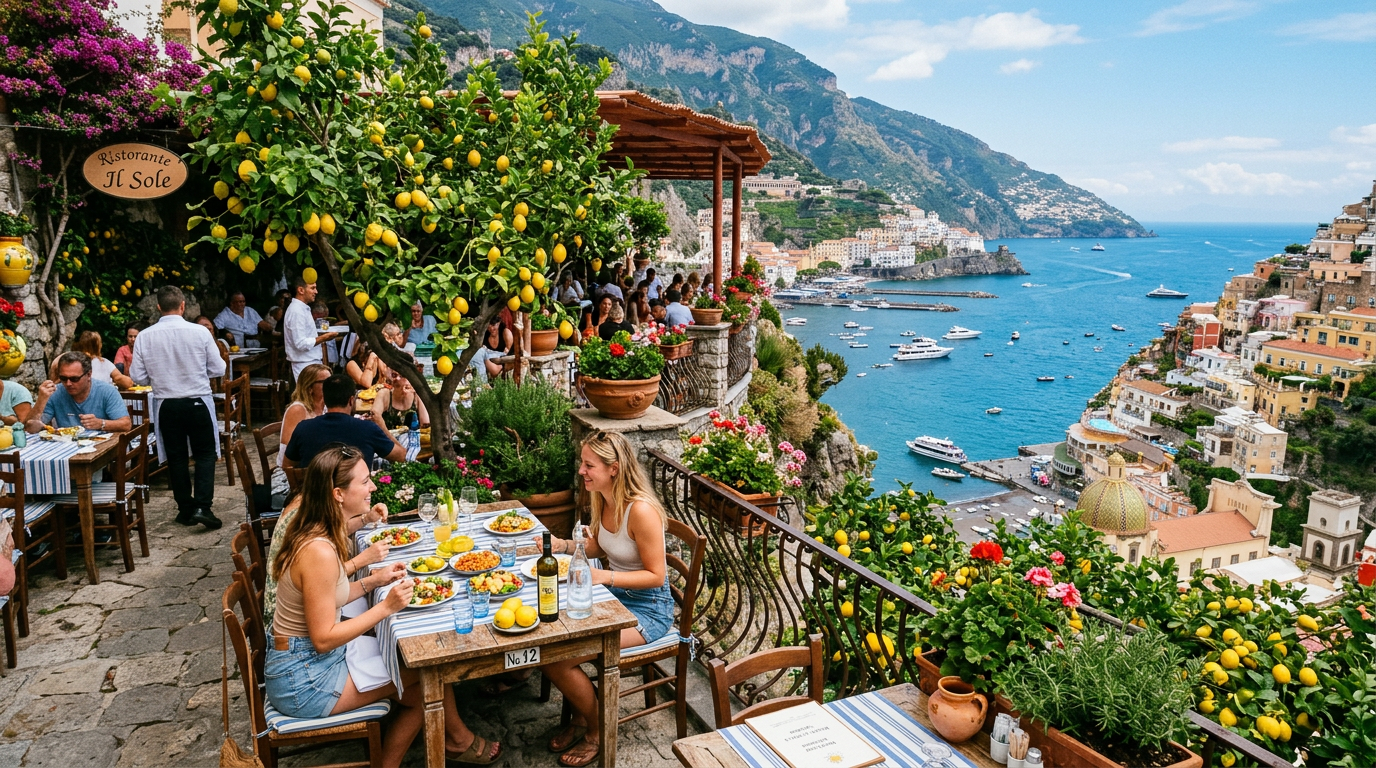
13. Amalfi Coast, Italy
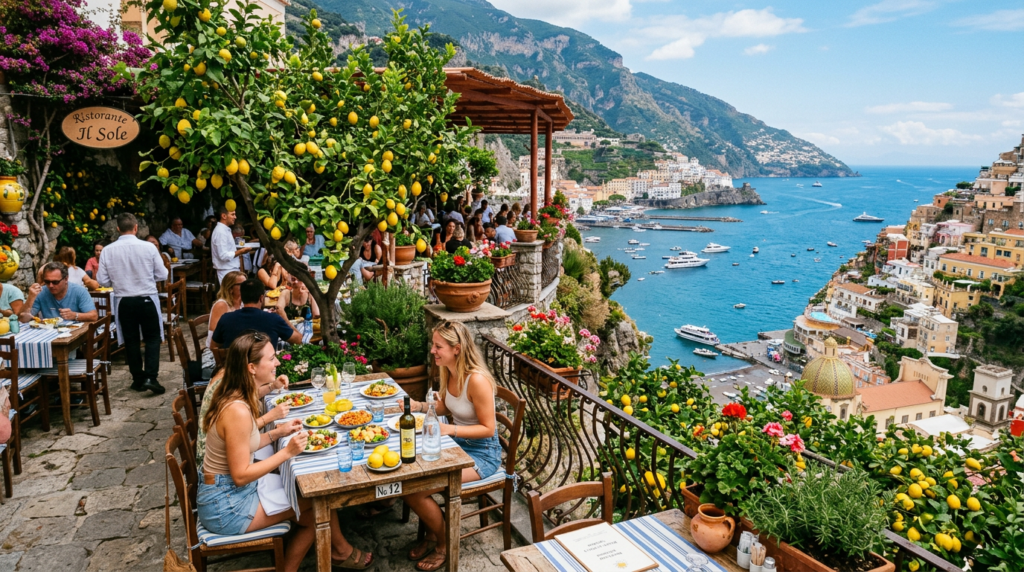
The Amalfi Coast combines two of life’s great pleasures – staggering natural beauty and Italian cooking – in a setting where the Mediterranean diet reaches its most vegetarian-friendly expression. Lemons, tomatoes, aubergines, mozzarella, fresh pasta, olive oil, and the sea breeze do most of the work.
Where to Eat:
- Don Alfonso 1890 – Sant’Agata. Two Michelin stars. One of southern Italy’s greatest restaurants, with a full vegetarian tasting menu sourced from the family’s organic farm.
- Zass – Positano. Il San Pietro hotel’s restaurant, perched on a cliff. Outstanding vegetarian tasting menu.
- Lo Scoglio – Nerano. Legendary pasta with zucchini – possibly the greatest single vegetarian dish in Italy.
Where to Stay:
- Il San Pietro di Positano – The most dramatic hotel on the coast. Cliffside pool, Michelin dining.
- Belmond Hotel Caruso – Ravello. Infinity pool overlooking the coast. Exquisite vegetarian menu at the restaurant.
- Le Sirenuse – Positano. The classic Amalfi luxury hotel. La Sponda restaurant serves by candlelight.
Don’t Miss: A limoncello-making class at a family lemon farm, followed by a vegetarian lunch of pasta al limone on a terrace overlooking the Mediterranean.
14. Sedona, Arizona, USA

Sedona represents a different kind of luxury vegetarian travel – one rooted in wellness, landscape, and spiritual renewal. The town’s concentration of world-class wellness retreats, many with dedicated plant-based culinary programs, makes it one of North America’s most compelling destinations for the health-conscious luxury traveler.
Where to Eat:
- ChocolaTree Organic Oasis – Raw and plant-based cafe with a garden courtyard. The raw chocolate truffles are worth the trip alone.
- Mariposa Latin Inspired Grill – Upscale dining with panoramic red rock views. Excellent vegetarian options spanning Latin American cuisine.
- Cress on Oak Creek – L’Auberge de Sedona’s fine dining restaurant, creekside. Vegetarian tasting menu with advance request.
Where to Stay:
- L’Auberge de Sedona – Creekside luxury. Spa, fine dining, and some of the most beautiful grounds in Arizona.
- Enchantment Resort – Nestled in Boynton Canyon. Mii Amo Spa is one of the best wellness destinations in North America.
- Amara Resort & Spa – Boutique luxury on Oak Creek. Salt Rock Kitchen serves farm-to-table vegetarian menus.
Don’t Miss: A sunrise hike to Cathedral Rock, followed by a spa morning at Mii Amo and a plant-based lunch overlooking the canyon.
15. Gili Islands & Lombok, Indonesia

The Gili Islands – just off Lombok, a short boat ride from Bali – offer a more secluded, less touristed version of Indonesian island luxury. The islands’ eco-conscious community has produced a concentration of plant-based restaurants and wellness retreats that rival Ubud, set against white sand beaches and turquoise water.
Where to Eat:
- Jali Kitchen – Gili Trawangan. Upscale plant-based beachfront dining with Indonesian-Mediterranean fusion.
- Pituq Cafe – Lombok. Organic farm-to-table dining in a stunning hillside setting with volcano views.
- Kayu Cafe – Gili Air. Elevated plant-based bowls and raw food in a beachfront garden.
Where to Stay:
- The Oberoi Beach Resort, Lombok – Secluded luxury on Medana Beach. Traditional Sasak architecture, dedicated vegetarian menus.
- Hotel Ombak Sunset – Gili Trawangan. Beachfront luxury with a pool and plant-based restaurant.
- Slow Villas – Gili Air. Private pool villas with wellness programs and plant-based meal plans.
Don’t Miss: A freediving or snorkeling trip to swim with sea turtles, followed by a sunset dinner on the beach at Jali Kitchen.
How to Plan Your Luxury Vegetarian Trip
Choosing a destination is only the beginning. The difference between a good luxury vegetarian trip and an extraordinary one lies in the planning – knowing how to communicate your dietary needs at the world’s best hotels, how to research a destination’s vegetarian landscape before you book, and how to build an itinerary that balances fine dining with the kind of immersive culinary experiences that create lasting memories.
Timing matters as much as the destination. Our luxury vegetarian travel by month calendar maps the best month to visit 24 destinations, from Kyoto in cherry blossom season to Vienna during Advent, with a booking window for each.
Your Next Step
The world has never been more welcoming to the luxury vegetarian traveler. Whether you are drawn to the ancient temple kitchens of Kyoto, the creative explosion of Copenhagen’s vegetable-forward fine dining, or the sun-drenched simplicity of a Tuscan agriturismo, there is a destination on this list that will change the way you think about what plant-based travel can be.
FAQ: Luxury Vegetarian Travel
Which country is best for vegetarian travelers?
India is the most naturally vegetarian-friendly country in the world – approximately 40% of the population is vegetarian, and luxury vegetarian dining is deeply embedded in the culture, particularly in Rajasthan and the Golden Triangle. For fine dining innovation, Tokyo and Copenhagen lead globally.
How many Michelin-starred vegetarian restaurants exist worldwide?
As of 2025, the Michelin Guide recognizes at least 57 restaurants with vegetarian stars and 24 fully vegan-starred restaurants globally (Source: Michelin Guide, 2025). This figure has more than doubled since 2019.
Is it hard to eat vegetarian at luxury hotels?
Most five-star hotels will accommodate vegetarian and vegan guests with advance notice. The best properties – particularly in Bali, India, and Japan – have dedicated vegetarian menus and chefs who specialize in plant-forward cuisine. Our advice: email the hotel’s guest services team at least 48 hours before arrival with your specific dietary needs.
What is the best time of year for luxury vegetarian travel?
It depends on the destination. Spring (March–May) is ideal for Japan and the Mediterranean. October–March is peak season for India and Thailand. Bali is best from April to October. See our comparison table above for destination-specific timing.
How much does a luxury vegetarian trip cost?
Costs vary enormously by destination. A week in Bali at a five-star wellness resort might cost $2,000–$4,000 total, while a comparable week in Tokyo or Copenhagen could run $5,000–$10,000+. India offers extraordinary luxury value – palace hotels for $200–$400 per night.
Do I need to speak the local language to eat vegetarian abroad?
Not at luxury restaurants, which typically have English-speaking staff. For street food, markets, and smaller establishments, basic phrases are essential. We publish a 15-language phrasebook specifically for vegetarian travelers.
Is vegetarian travel safe in developing countries?
Yes, with standard precautions. India, Thailand, and Mexico have ancient vegetarian culinary traditions and well-established infrastructure for plant-based eating.
Before booking any international trip, we recommend securing travel medical coverage – we use and recommend SafetyWing Nomad Insurance for its flexibility and global coverage.
Frequently Asked Questions
What are the best luxury vegetarian travel destinations in 2026?
The best luxury vegetarian travel destinations in 2026 include Bali, Tokyo, Rajasthan in India, Tuscany in Italy, and Chiang Mai in Thailand. Each offers world-class vegetarian dining at luxury properties, with Bali and India leading for sheer variety of plant-based cuisine at five-star resorts.
Is it easy to find vegetarian food at luxury resorts?
Yes, most luxury resorts now offer dedicated vegetarian and vegan menus as standard. Properties like COMO Shambhala Estate in Bali, Sujan Rajmahal Palace in Jaipur, and Aman Tokyo feature entirely plant-forward dining programs crafted by dedicated vegetarian chefs.
How do I plan a luxury vegetarian vacation?
Start by choosing a destination with a strong vegetarian food culture, then research hotels with dedicated vegetarian dining programs. Book at least 60 days in advance to secure vegetarian tasting menus and cooking classes. Contact the concierge before arrival to communicate dietary preferences and arrange custom menus.
Which countries are most vegetarian-friendly for luxury travelers?
India ranks first globally, with over 30% of the population vegetarian and luxury hotels offering extensive meat-free menus. Japan, Indonesia (especially Bali), Italy, and Thailand round out the top five, each combining rich vegetarian culinary traditions with world-class luxury hospitality.
Do luxury hotels offer dedicated vegetarian or vegan menus?
The majority of five-star hotels and luxury resorts now offer dedicated vegetarian menus, with many going further to provide fully vegan options. Properties certified by organizations like Green Key or EarthCheck typically have the most comprehensive plant-based dining programs, including multi-course tasting menus and room service options.