Luxury Vegetarian Tokyo: 15 Best Restaurants, Hotels and Experiences in 2026
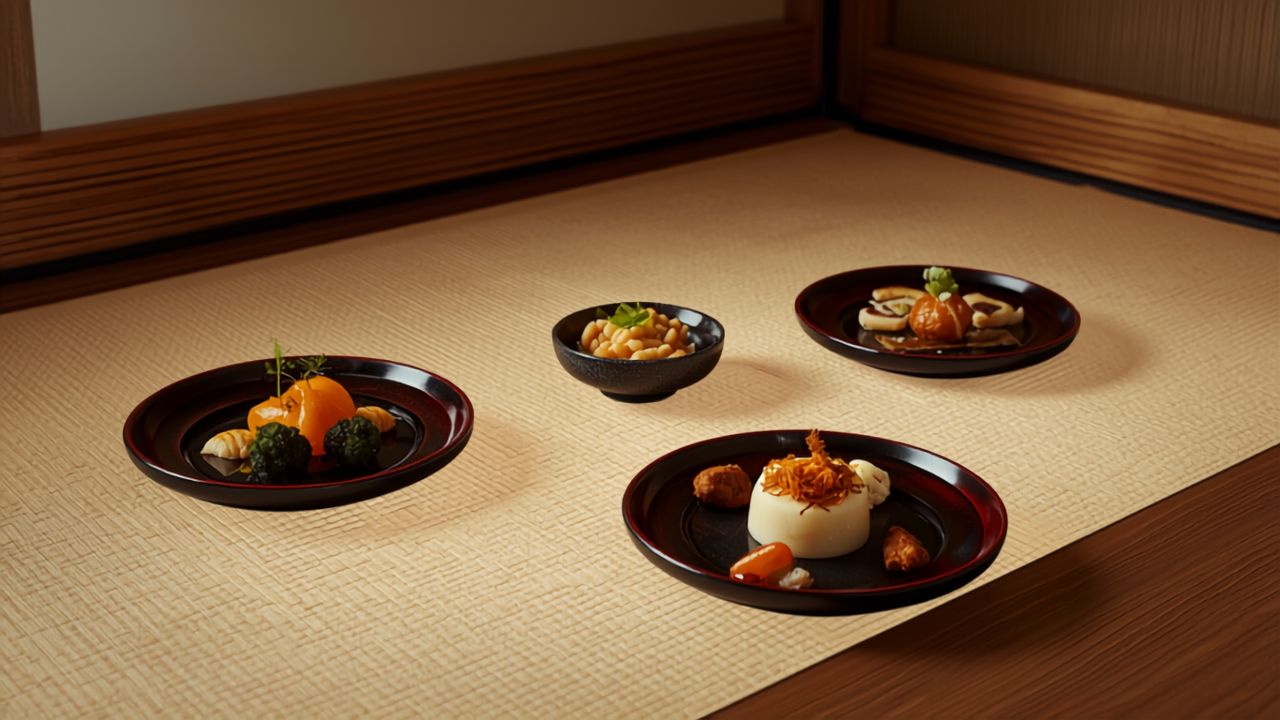
Luxury vegetarian Tokyo is not the destination most travelers think of first for plant-based dining, yet it may be the world’s most rewarding city for vegetarians who refuse to compromise on quality. From Michelin-starred tasting menus built entirely around seasonal vegetables to centuries-old temple cuisine served in candlelit tatami rooms, luxury vegetarian Tokyo offers an experience unlike anything you will find elsewhere on the planet.
Japan’s capital holds more Michelin stars than any other city in the world, and a growing number of those kitchens now celebrate vegetables as the star of every course. Whether you are drawn to the artistry of shojin ryori, the innovation of plant-forward omakase, or the quiet elegance of a kaiseki dinner composed without a single animal product, Tokyo delivers vegetarian fine dining at the highest possible level. This guide covers the 15 best restaurants, hotels, and experiences for the luxury vegetarian traveler exploring Tokyo in 2026.
Why Tokyo Is a Dream Destination for Luxury Vegetarian Travelers
Tokyo’s culinary culture runs deeper than sushi and ramen. The city’s Buddhist heritage gave birth to shojin ryori, a centuries-old tradition of vegetarian temple cooking that treats every ingredient with reverence. That philosophy of precision and respect now runs through the entire Tokyo dining scene, making the city uniquely suited to luxury vegetarian travel.
Several forces have converged to make luxury vegetarian Tokyo more accessible than ever. The Japanese government’s push to accommodate international dietary needs, Tokyo’s growing community of plant-based chefs, and the global influence of restaurants like Narisawa have moved vegetarian options from afterthought to centerpiece at many of the city’s finest tables.
What sets luxury vegetarian Tokyo apart from other plant-based destinations is the depth of craft. A single block of tofu at a high-end Tokyo restaurant may involve hand-selected soybeans, spring water from a specific mountain source, and a preparation method passed down through generations. This is not vegetarian food by subtraction. It is vegetarian food elevated to an art form.
Best Luxury Vegetarian Restaurants in Tokyo
Narisawa – Innovative Vegetarian Omakase
Narisawa holds two Michelin stars and consistently ranks among Asia’s best restaurants. Chef Yoshihiro Narisawa’s “Innovative Satoyama Cuisine” reimagines Japan’s forests, fields, and coastline through multi-course omakase menus that blur the line between fine dining and environmental storytelling. When reserved in advance, the kitchen prepares fully vegetarian and vegan tasting menus using seasonal Japanese vegetables paired with sake and wines from across Japan. For any luxury vegetarian Tokyo itinerary, Narisawa belongs at the top of the list.
Seisoka – Michelin-Starred Temple Kaiseki
Tucked inside the grounds of Tengenji Temple in the Hiroo neighborhood, Seisoka earned a Michelin star for its refined cha-kaiseki, the multi-course meal traditionally served alongside a tea ceremony. Guests can request a vegetarian shojin kaiseki in advance, a stunning progression of seasonal dishes presented with the quiet elegance that defines luxury vegetarian Tokyo dining. The temple setting adds a layer of serenity that elevates the meal into something closer to meditation.
Itosho – The Gold Standard of Shojin Cuisine
Itosho in Azabu-Juban holds a Michelin star specifically for its shojin ryori, making it one of the most celebrated vegetarian restaurants in the world. The set menu unfolds across 14 courses, including tempura, seasonal vegetable preparations, stews, pickled vegetables, and vegetarian sushi. Every dish follows strict Buddhist principles while delivering the kind of complexity and beauty that defines luxury vegetarian Tokyo dining at its finest.
Sougo – Modern Shojin Meets Natural Wine
Located in Roppongi, Sougo takes shojin ryori in a contemporary direction with kaiseki-style courses paired with sake and natural wines. The chef sources seasonal vegetables and mountain herbs to create dishes that honor tradition while embracing modern technique. The intimate setting and thoughtful pairings make Sougo an essential stop for any traveler exploring luxury vegetarian Tokyo restaurants.
MAZ – Peruvian-Japanese Plant Innovation
MAZ earned two Michelin stars by fusing Peruvian landscapes and food culture with seasonal Japanese ingredients, guided by the team behind Lima’s legendary Central. While not exclusively vegetarian, the kitchen’s focus on ecosystems and terroir means vegetables, tubers, and grains often take center stage. Vegetarian tasting menus are available with advance notice, making MAZ a standout in the luxury vegetarian Tokyo dining scene.
Shojin Ryori: Tokyo’s Sacred Vegetarian Tradition
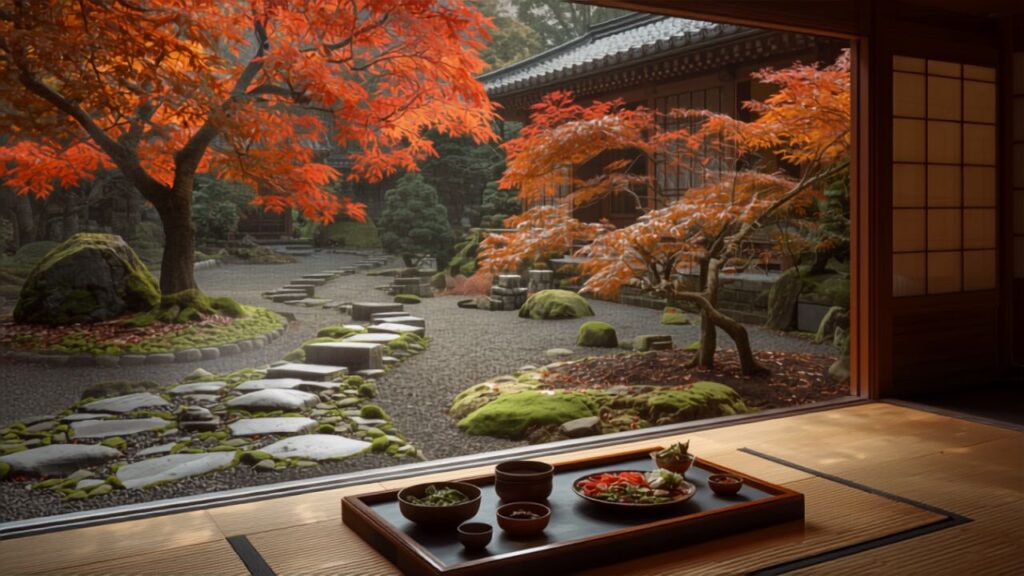
No discussion of luxury vegetarian Tokyo is complete without understanding shojin ryori, the Buddhist vegetarian cuisine that arrived in Japan with Zen Buddhism in the 6th century. Translating to “devotion cuisine,” shojin ryori adheres to the principle of ahimsa, or non-violence toward all living beings. It avoids not only meat and fish but also pungent vegetables like garlic and onion, which are believed to cloud the mind during meditation.
What makes shojin ryori remarkable is its discipline. Every meal follows the rule of five: five colors (green, yellow, red, white, black), five flavors (sweet, sour, salty, bitter, umami), and five cooking methods (raw, simmered, grilled, steamed, fried). The result is a meal of extraordinary balance and beauty, crafted from the simplest plant-based ingredients. For luxury vegetarian Tokyo travelers, shojin ryori is the single most important culinary tradition to experience.
Where to Experience Shojin Ryori in Tokyo
Sankoin Temple in the western Musashino area continues a tradition stretching back six centuries, offering the rare “Take-no-gosho” style of convent cuisine. Guests stroll through serene temple gardens before sitting down to a six-course vegetarian meal with tea and traditional sweets prepared by specialized chefs. This is shojin ryori as a spiritual practice, not merely a meal.
Yakuo-in Temple at the base of Mount Takao, established in 744 CE, serves visitors a multi-course shojin ryori lunch featuring seasonal mountain vegetables, tofu preparations, and soba noodles. Pairing this meal with a hike through Takao’s ancient cedar forests creates a full-day luxury vegetarian Tokyo experience that balances nature, culture, and extraordinary food.
Daigo near Shiba Park has served shojin ryori for over 70 years and holds two Michelin stars, making it one of the finest vegetarian restaurants anywhere. The multi-course meals showcase the full range of shojin technique, from delicate sesame tofu to intricately prepared seasonal vegetables. Reservations are essential, and the experience is worth planning an entire luxury vegetarian Tokyo visit around.

Best Luxury Hotels in Tokyo for Vegetarian Travelers
Finding a luxury hotel in Tokyo that genuinely understands vegetarian dining can transform your trip. The best properties go far beyond removing meat from a standard menu, offering dedicated vegetarian and vegan programs crafted by skilled chefs. These are the top choices for luxury vegetarian Tokyo accommodation.
Imperial Hotel Tokyo
The Imperial Hotel has been a symbol of Tokyo luxury since 1890 and now leads the city’s hotel dining scene in vegetarian accommodation. Its restaurants hold Japan Vegan Association certification, and celebrity chefs Yu Sugimoto and Thierry Voisin have developed full vegan French-inspired tasting menus. For luxury vegetarian Tokyo travelers who want world-class plant-based dining without leaving their hotel, the Imperial is hard to beat.
Hotel Chinzanso Tokyo
Set within a stunning 17th-century garden, Hotel Chinzanso offers vegetarian and vegan courses across multiple restaurants. The standout is the Shojin Kaiseki dinner at Miyuki (from 14,400 yen), a plant-based course inspired by Buddhist cuisine featuring vegetable sushi, grilled and simmered dishes, a mushroom hot pot, tempura, and a fruit dessert. The combination of the hotel’s legendary gardens and its commitment to vegetarian fine dining makes Chinzanso one of the top choices for luxury vegetarian Tokyo stays.
The Peninsula Tokyo
The Peninsula’s culinary team accommodates vegetarian and vegan guests across all of its restaurants with advance notice. The hotel’s location in Marunouchi, steps from the Imperial Palace gardens, puts guests at the center of Tokyo’s most prestigious district. The concierge team excels at arranging private luxury vegetarian Tokyo dining experiences across the city.
Aman Tokyo
Aman properties are known globally for their integration of wellness and cuisine, and Aman Tokyo is no exception. The hotel’s restaurant sources from small Japanese farms and can prepare fully vegetarian kaiseki-style meals. The minimalist design and panoramic city views create the perfect setting for a refined luxury vegetarian Tokyo stay.
Unforgettable Vegetarian Experiences in Tokyo
Luxury vegetarian Tokyo extends well beyond the dining table. The city offers immersive experiences that connect food, culture, and mindfulness in ways that deepen your understanding of Japanese vegetarian traditions.
Private Shojin Ryori Cooking Classes
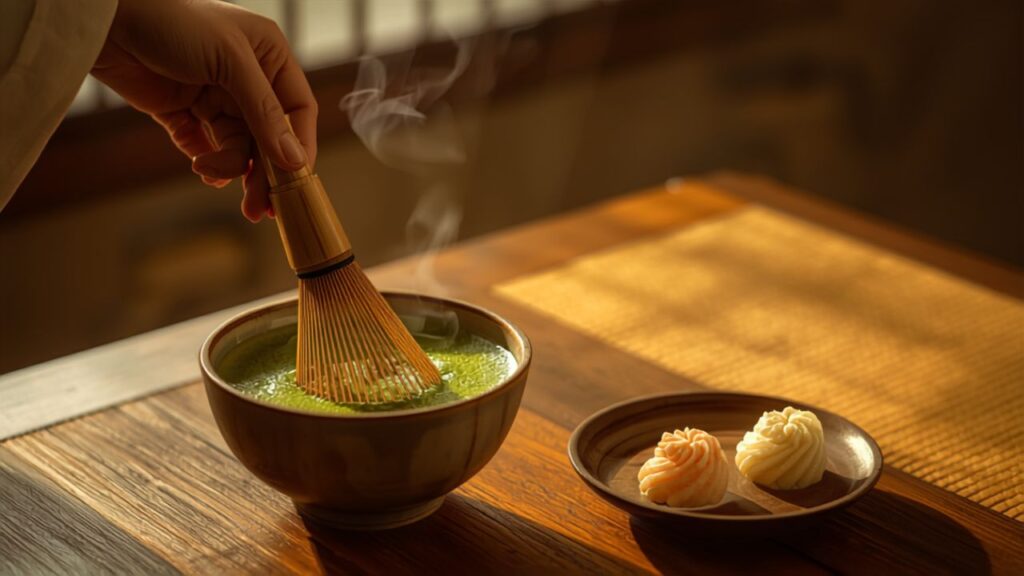
At Jojokuji Temple in Akasaka, an experienced Buddhist monk teaches small groups the principles and techniques of shojin ryori. You will prepare nine dishes following the traditional balance of colors, flavors, and cooking methods, then sit down to enjoy the meal you have created. After lunch, a 90-year-old tea ceremony teacher leads a matcha preparation session with traditional Japanese sweets. This is one of the most meaningful luxury vegetarian Tokyo experiences available.
Zen Meditation and Vegetarian Dining
Several temples in and around Tokyo combine zazen (seated Zen meditation) sessions with shojin ryori meals. At Sankoin, guests can participate in a morning meditation before breakfast, creating a contemplative frame for the day’s eating. The connection between mindfulness and food is central to the shojin tradition, and experiencing both together gives luxury vegetarian Tokyo travelers a genuine window into Japanese spiritual life.
Tea Ceremony Experiences
The Japanese tea ceremony is inherently vegetarian, with its accompaniments of wagashi (traditional sweets made from plant-based ingredients like red bean paste, mochi, and seasonal fruits). Private tea ceremonies in Tokyo’s historic teahouses pair beautifully with a day of luxury vegetarian dining, creating a full sensory journey through Japanese plant-based culture.
Tsukiji Outer Market and Depachika Exploration
While Tsukiji’s inner wholesale market has moved to Toyosu, the outer market remains a vibrant destination for food lovers. Vegetarian travelers will find stalls selling fresh pickles, grilled mochi, seasonal fruits, and an astonishing variety of Japanese sweets. Tokyo’s department store basement food halls, known as depachika, offer another layer of luxury vegetarian discovery, with beautifully packaged wagashi, artisan tofu, and premium produce displays that feel more like art galleries than grocery stores.
Best Neighborhoods for Plant-Based Dining in Tokyo
Shimokitazawa
This bohemian neighborhood has become Tokyo’s unofficial capital of creative plant-based dining. Universal Bakes Nicome offers entirely vegan pastries and artisan breads. OSCAR, Japan’s first vegan American-Chinese diner, reimagines classic dishes using soy protein and plant-based eggs. Vegan Soba Tokyo Ayler serves fully vegan soba dishes in a tiny one-person shop that embodies Tokyo’s spirit of obsessive craft. Shimokitazawa rewards the curious luxury vegetarian Tokyo traveler with discoveries around every corner.
Daikanyama and Nakameguro
These neighboring upscale districts blend boutique shopping with sophisticated plant-based cafes. Hemp Cafe offers inventive vegan burgers and sushi alongside smoothies and raw desserts. The tree-lined streets and design-forward architecture make this area ideal for a leisurely afternoon of browsing and vegetarian dining in one of luxury vegetarian Tokyo’s most stylish quarters.
Omotesando and Aoyama
Tokyo’s fashion district has embraced the plant-based movement, with juice bars, vegan patisseries, and vegetarian lunch spots lining the zelkova tree-shaded boulevard. The area’s reputation for design extends to its food, making it a natural fit for travelers who appreciate both aesthetics and ethics in their dining choices.
Practical Tips for Luxury Vegetarian Travel in Tokyo
Navigating Tokyo as a vegetarian traveler requires some preparation, but the rewards far outweigh the effort. Here are essential tips to make your luxury vegetarian Tokyo trip seamless.
Learn Key Japanese Phrases. Carry a dietary card in Japanese that clearly states what you do and do not eat. The phrase “watashi wa bejitarian desu” (I am vegetarian) helps, but a written card prevents misunderstandings about dashi (fish stock), which appears in many dishes that otherwise seem vegetarian. Our travel planning guide covers how to prepare these cards.
Book Restaurants in Advance. Tokyo’s finest vegetarian restaurants, especially those offering shojin ryori and kaiseki, require reservations days or weeks ahead. Many need advance notice specifically to prepare vegetarian or vegan tasting menus. Your hotel concierge can assist with bookings conducted in Japanese.
Use HappyCow and Vegewel. The HappyCow app and Vegewel website are indispensable tools for finding vegetarian and vegan restaurants across Tokyo. Both include user reviews, menus, and maps that make exploring luxury vegetarian Tokyo much easier, especially in neighborhoods you are visiting for the first time.
Understand Dashi. Traditional Japanese cooking uses dashi, a stock typically made from bonito (fish) flakes and kombu seaweed. Many soups, sauces, and simmered dishes that appear vegetarian contain fish-based dashi. At high-end restaurants, requesting “katsuo-bushi nuki” (without bonito flakes) or kombu-only dashi is straightforward, but it is important to ask.
Visit Konbini for Quick Options. Even Tokyo’s convenience stores, known as konbini, carry surprisingly good vegetarian options, including onigiri with pickled plum or kelp fillings, edamame, fruit cups, and increasingly, labeled vegan bento boxes. 7-Eleven, Lawson, and FamilyMart all stock options for the luxury vegetarian Tokyo traveler between fine dining meals.
When to Visit Tokyo for the Best Vegetarian Experience
Spring (March to May) brings cherry blossom season and an explosion of seasonal ingredients, from bamboo shoots and mountain vegetables (sansai) to fresh peas and strawberries. Shojin ryori menus in spring are particularly stunning, and hanami (cherry blossom viewing) pairs naturally with plant-based bento boxes enjoyed in Tokyo’s parks.
Autumn (October to November) delivers rich flavors from matsutake mushrooms, chestnuts, persimmons, and sweet potatoes. The kaiseki tradition shines brightest in autumn, when chefs compose menus that capture the season’s warmth and melancholy in equal measure. The comfortable temperatures also make it ideal for exploring Tokyo’s food cultures on foot.
Winter (December to February) features hearty hot pots, root vegetables, and citrus like yuzu that add brightness to warming dishes. While colder, winter Tokyo offers a different kind of luxury, with fewer tourists and an intimate atmosphere at the city’s top restaurants.
Planning a wider trip around the seasons? Our luxury vegetarian travel by month calendar pairs Kyoto and Tokyo in March with 22 other destinations across the year.
Your Luxury Vegetarian Tokyo Journey Starts Here
Tokyo proves that vegetarian dining and uncompromising luxury are not just compatible but natural partners. The city’s Buddhist heritage, its culture of culinary perfectionism, and its embrace of seasonal ingredients create a destination where every meal can be an event and every bite tells a story.
From the two-Michelin-star shojin ryori of Daigo to a quiet morning meditation followed by temple breakfast, from the innovative plant-forward omakase at Narisawa to the bustling vegan stalls of Shimokitazawa, luxury vegetarian Tokyo rewards travelers who arrive with curiosity and an appetite for the extraordinary.
Start planning your trip with our complete vegetarian travel planning guide, explore our picks for the best luxury hotels for vegetarian travelers worldwide, and discover how vegetarian food cultures around the world have shaped the way we eat today.
Luxury vegetarian Tokyo is waiting. And it has never been more delicious.
Frequently Asked Questions
Is Tokyo a good destination for vegetarian travelers?
Tokyo is an excellent destination for vegetarian travelers who know where to look. The city has a rich Buddhist vegetarian tradition (shojin ryori) and a growing modern plant-based dining scene. Luxury hotels like Aman Tokyo and The Peninsula Tokyo offer dedicated vegetarian menus, and neighborhoods like Shibuya and Roppongi have dozens of vegetarian-friendly restaurants.
What are the best vegetarian restaurants in Tokyo?
The best vegetarian restaurants in Tokyo include Sougo (shojin ryori fine dining in Roppongi), Ain Soph (plant-based dining with multiple locations), Bon (traditional Buddhist cuisine in Taito), and Faro (Italian-Japanese vegetarian fusion in Ginza). For luxury experiences, book the vegetarian kaiseki at Aman Tokyo’s restaurant.
How do I find vegetarian food in Tokyo if I don’t speak Japanese?
Download the HappyCow app for a curated list of vegetarian restaurants with English menus. Carry a dietary card in Japanese (available free from sites like JustHungry) explaining you are vegetarian. Learn the phrase “watashi wa bejitarian desu” (I am vegetarian) and “niku nashi” (no meat). Luxury hotels will handle all dining communication for you.
What traditional Japanese dishes are naturally vegetarian?
Many traditional Japanese dishes are naturally vegetarian, including shojin ryori (Buddhist temple cuisine), vegetable tempura, edamame, agedashi tofu, vegetable sushi rolls (kappa maki, avocado rolls), zaru soba with kombu dashi, and yudofu (hot tofu). Note that standard dashi broth uses bonito flakes – always specify kombu dashi for a vegetarian version.
Which luxury hotels in Tokyo offer vegetarian dining?
Aman Tokyo offers a fully customizable vegetarian kaiseki experience. The Peninsula Tokyo and Mandarin Oriental Tokyo both have dedicated vegetarian menus across their restaurants. Four Seasons Hotel Tokyo at Marunouchi provides advance vegetarian menu planning with their executive chef. Park Hyatt Tokyo (famous from Lost in Translation) offers vegetarian options at all dining venues.